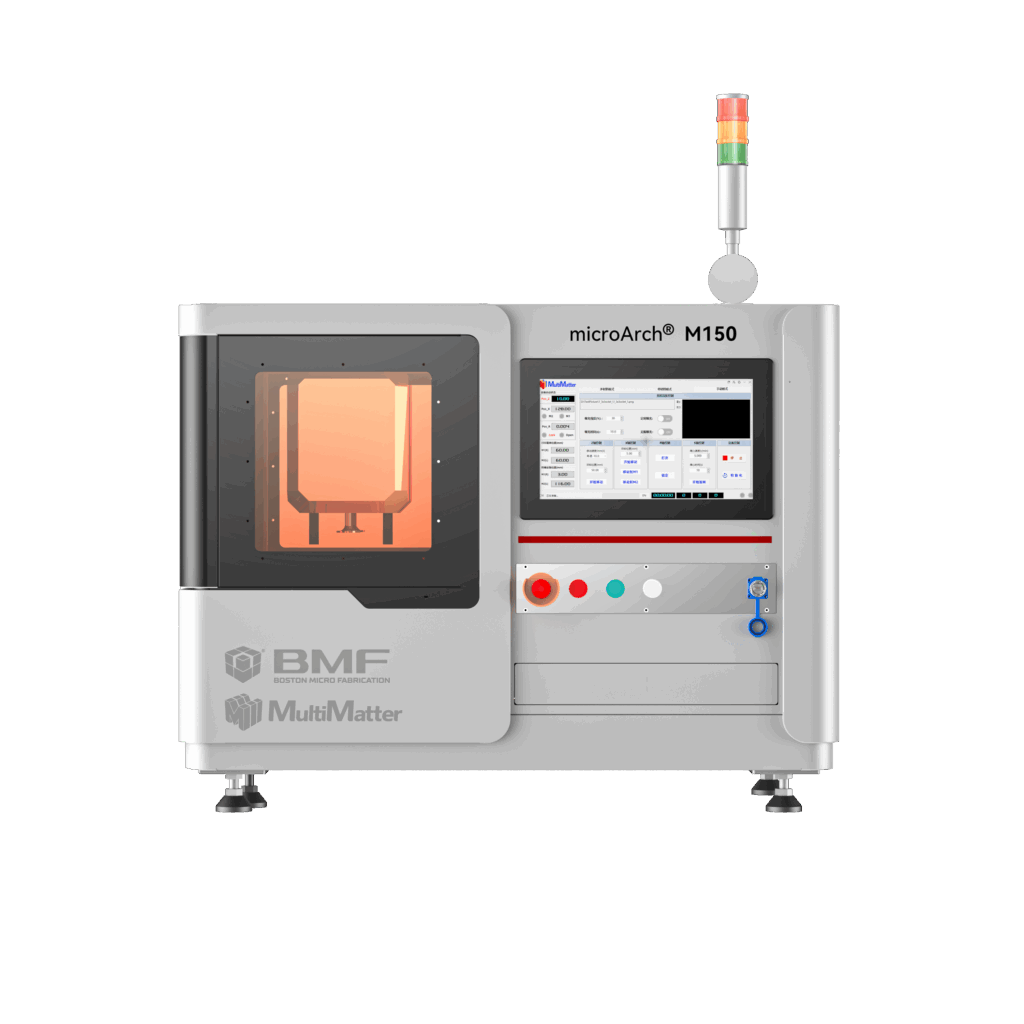
Boston Micro Fabrication (BMF) is the world leader in advanced resin-based additive manufacturing solutions based on Projection Micro Stereolithography (PµSL) technology, with capabilities extending to ceramic and hydrogel materials.
The microArch® BMF 3D printers provide ultra-high-resolution resin 3D printing with exceptional accuracy and precision for industrial applications, matching the resolution and tolerance of micro-injection molding.
Embedded Logic Solutions Pty Ltd is the authorized supplier for BMF in Australia and New Zealand.
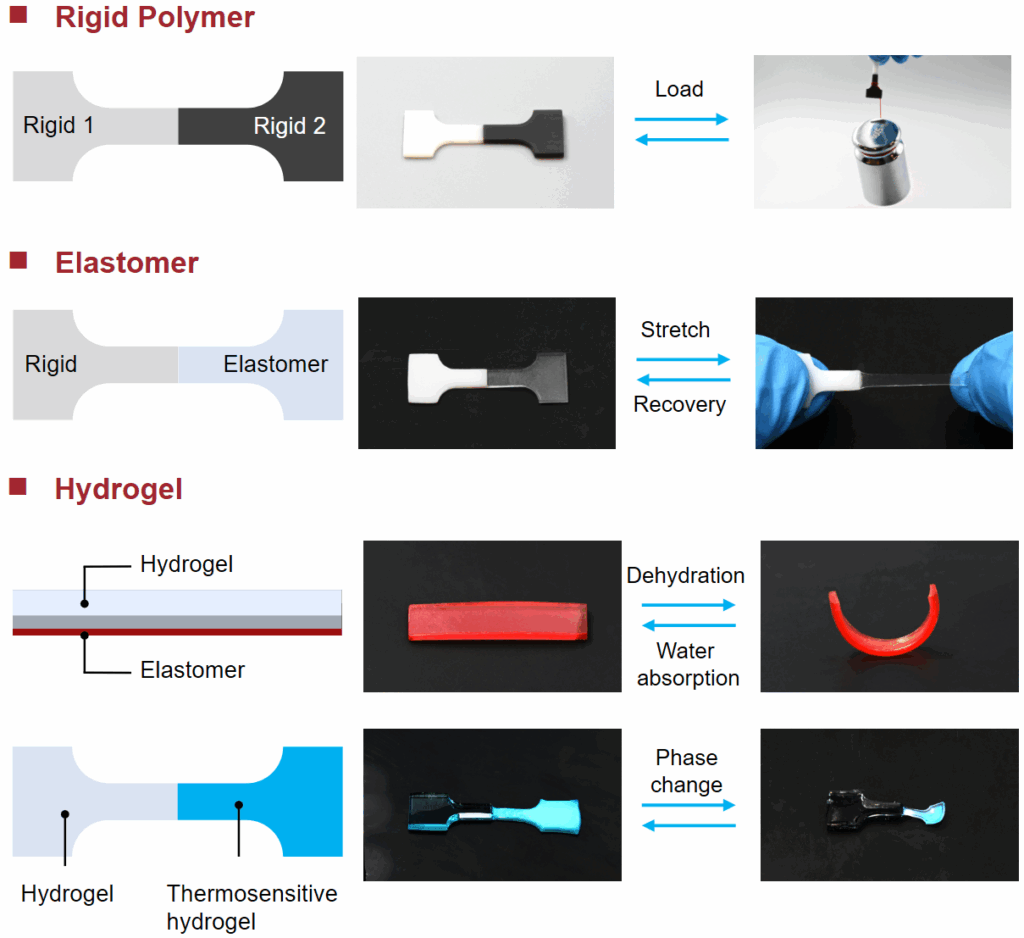
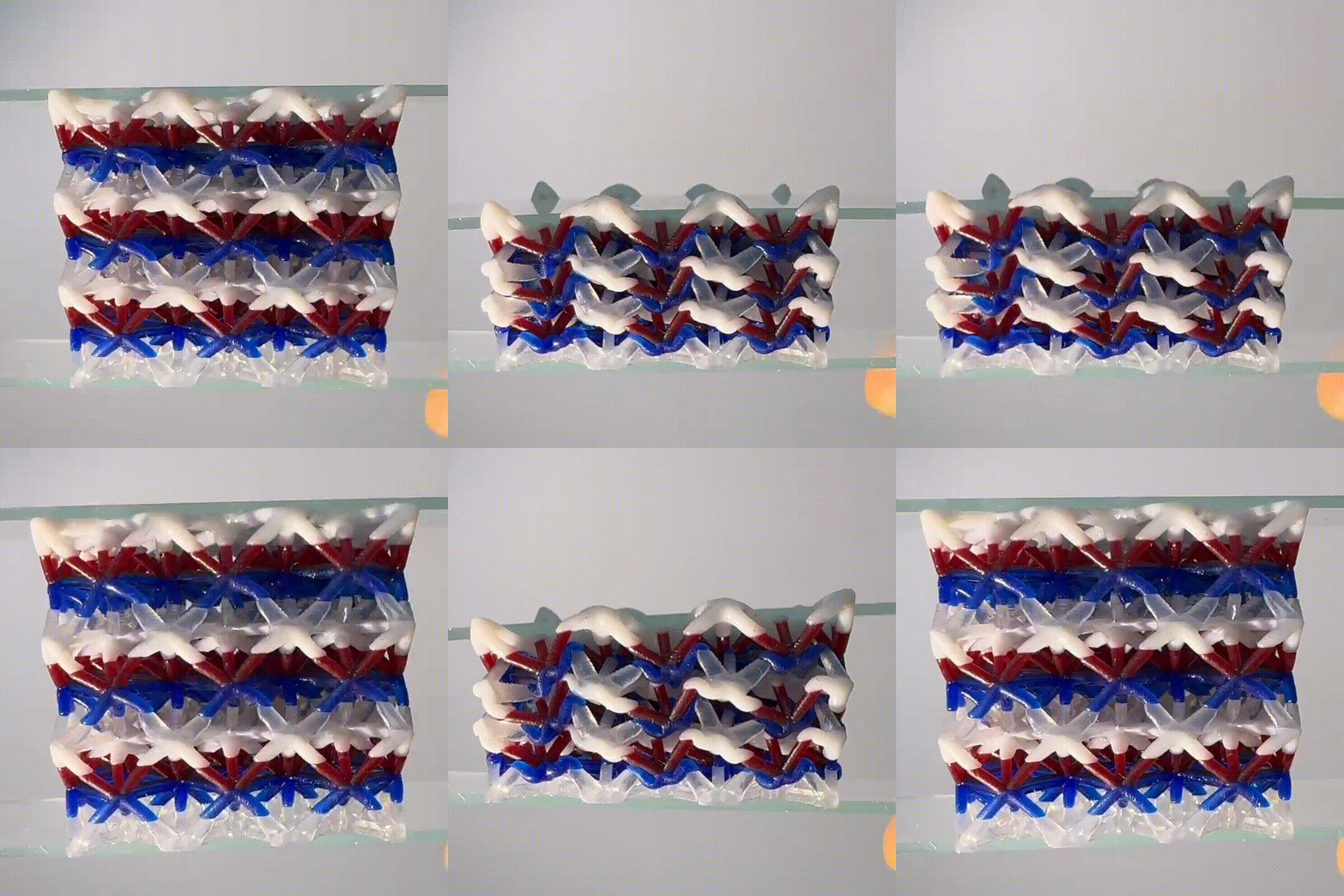
DLP Multimaterial 3D Printing Technology Enabled by Centrifugal Force. It allows material transitions both within layers and between successive layers.
Boston Micro Fabrication (BMF) delivers industry-leading micro-scale 3D printing solutions, offering three 3D printer series with resolutions of 2 µm, 10 µm, and 25 µm to address diverse precision manufacturing needs. These systems provide scalable accuracy and performance for applications in biomedical engineering, electronics, microfluidics, and advanced materials research.
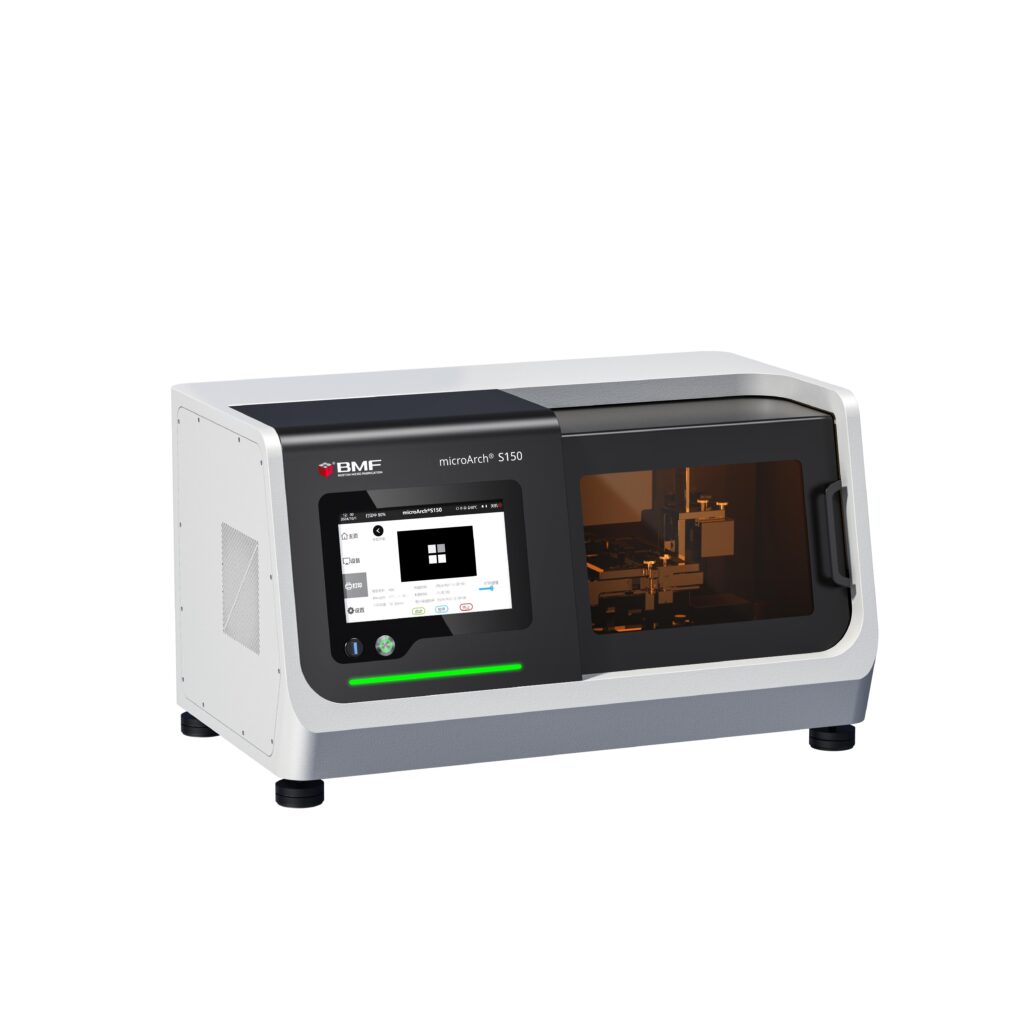
The brand-new desktop 25 µm resolution 3D printer offers an excellent solution for cost-constrained projects or personal use, while still maintaining relatively high-resolution and precise printing quality.
2 μm System
10 μm System
25 μm System
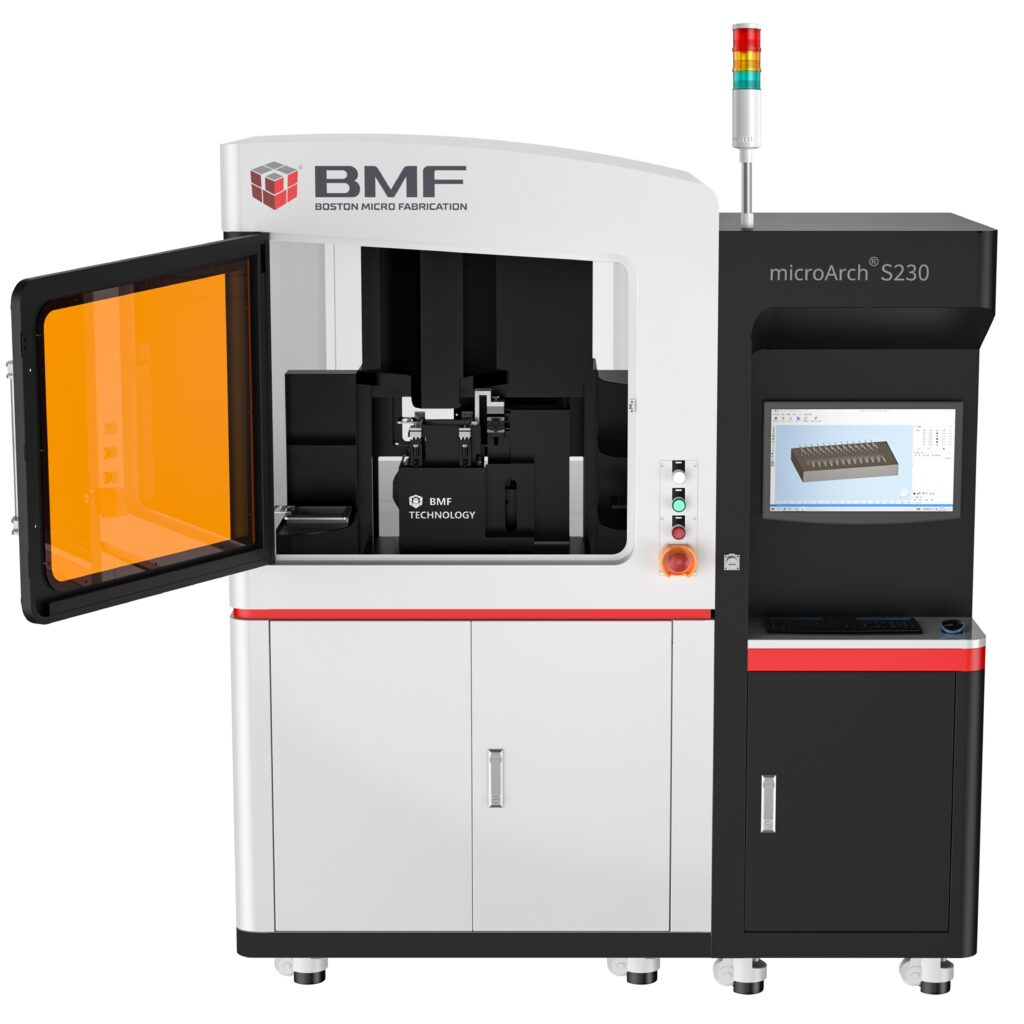
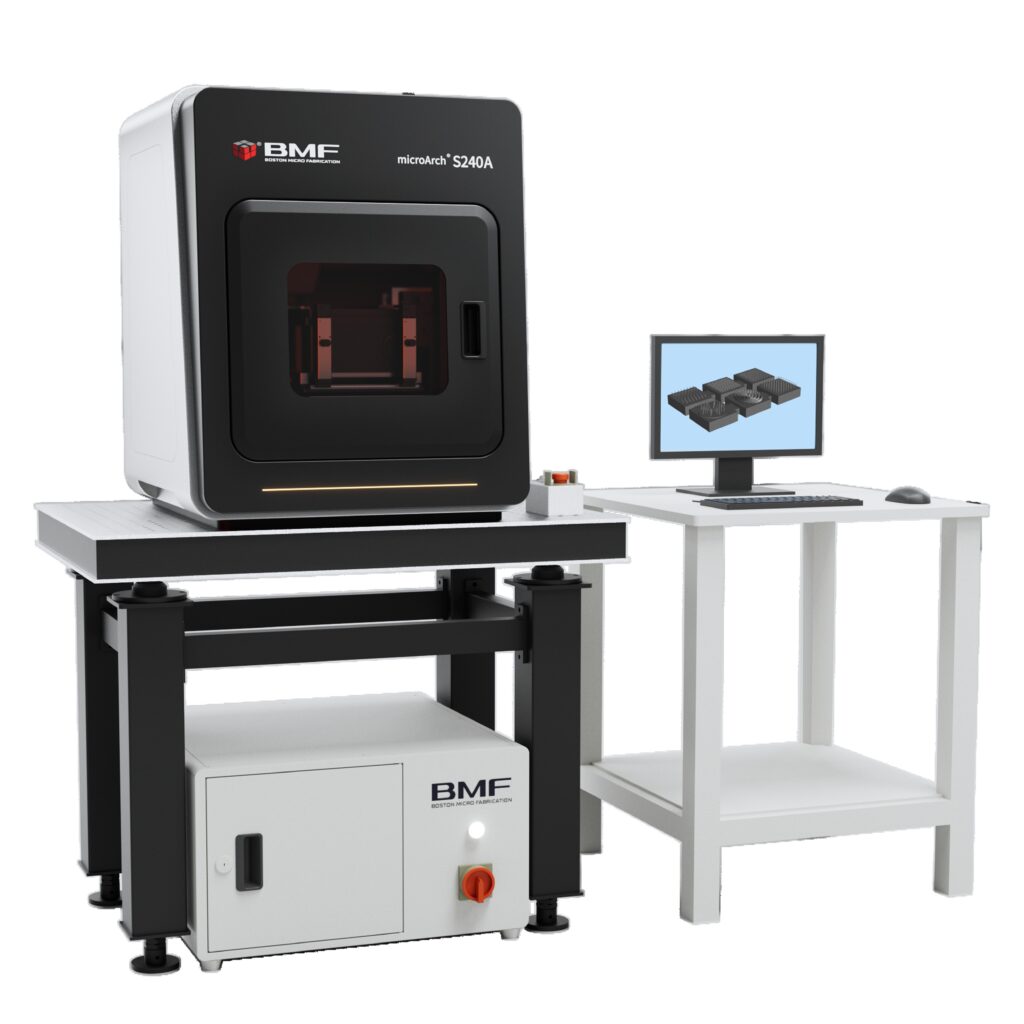
Please contact us to learn more about available 3D printer models (e.g., S230, S240A, S150), with optional features, such as auto-leveling and auto-calibration, available across different printer series.
BMF’s open 3D printing material system allows you to print with its own specially formulated liquid polymers, third-party materials, or your own materials.
With collaborations with some of the largest material manufacturers in the world, 20,000 cp printing capability and access to thousands of resins, you have a variety of options available that will allow you to achieve the results you need based on your application.
HTL
HTL is a high performance engineering material with high strength, rigidity, and heat resistance, able to withstand temperatures up to 114°C. It enables high resolution features, suitable for a broad range of engineering and medical applications including those which require autoclave sterilization.
BIO
BIO is a biocompatible resin suitable for non-implantable medical applications. Bio can undergo sterilization and has passed numerous ISO 10993 biocompatibility tests for skin iritation and sensitization, toxicity, cytotoxicity, pyrogenicity, and in vitro hemolysis.
Clear
BMF Clear is a transparent resin for micro-scale 3D printing, offering >90% light transmission and high precision. It enables complex microfluidic and optical parts with smooth surfaces and minimal post-processing.
SR
SR is a soluble resin that can be used as a sacrificial material to print single-use molds to manufacture parts in other materials. SR dissolves in a 5:95 solution of sodium hydroxide to distilled water.
Hydrogel
3D-printing hydrogel materials enable high-resolution fabrication of biocompatible soft structures for advanced biomedical applications, including drug delivery and tissue engineering.
Contact us
to discover additional materials and discuss how they can be applied to your specific needs.
HTL
HTL is a high performance engineering material with high strength, rigidity, and heat resistance, able to withstand temperatures up to 114°C. It enables high resolution features, suitable for a broad range of engineering and medical applications including those which require autoclave sterilization.
BIO
BIO is a biocompatible resin suitable for non-implantable medical applications. Bio can undergo sterilization and has passed numerous ISO 10993 biocompatibility tests for skin iritation and sensitization, toxicity, cytotoxicity, pyrogenicity, and in vitro hemolysis.
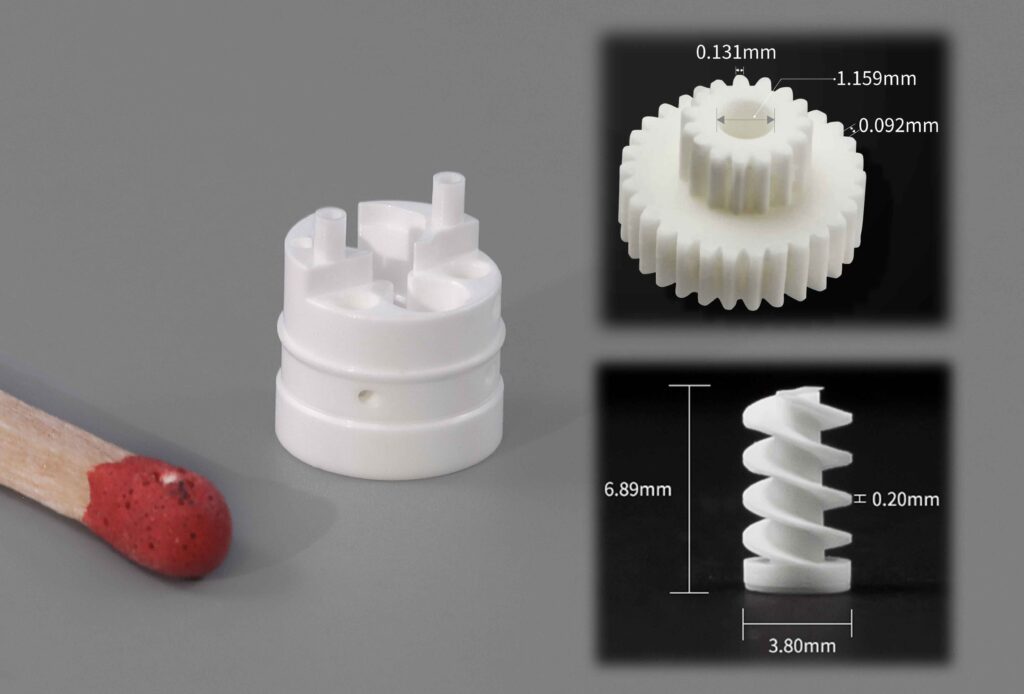
AL Ceramic
AL (Alumina) Ceramic is perfect for applications involving tooling, casings and housings, and medical devices – able to withstand high temperatures with high strength properties and chemical resistance.
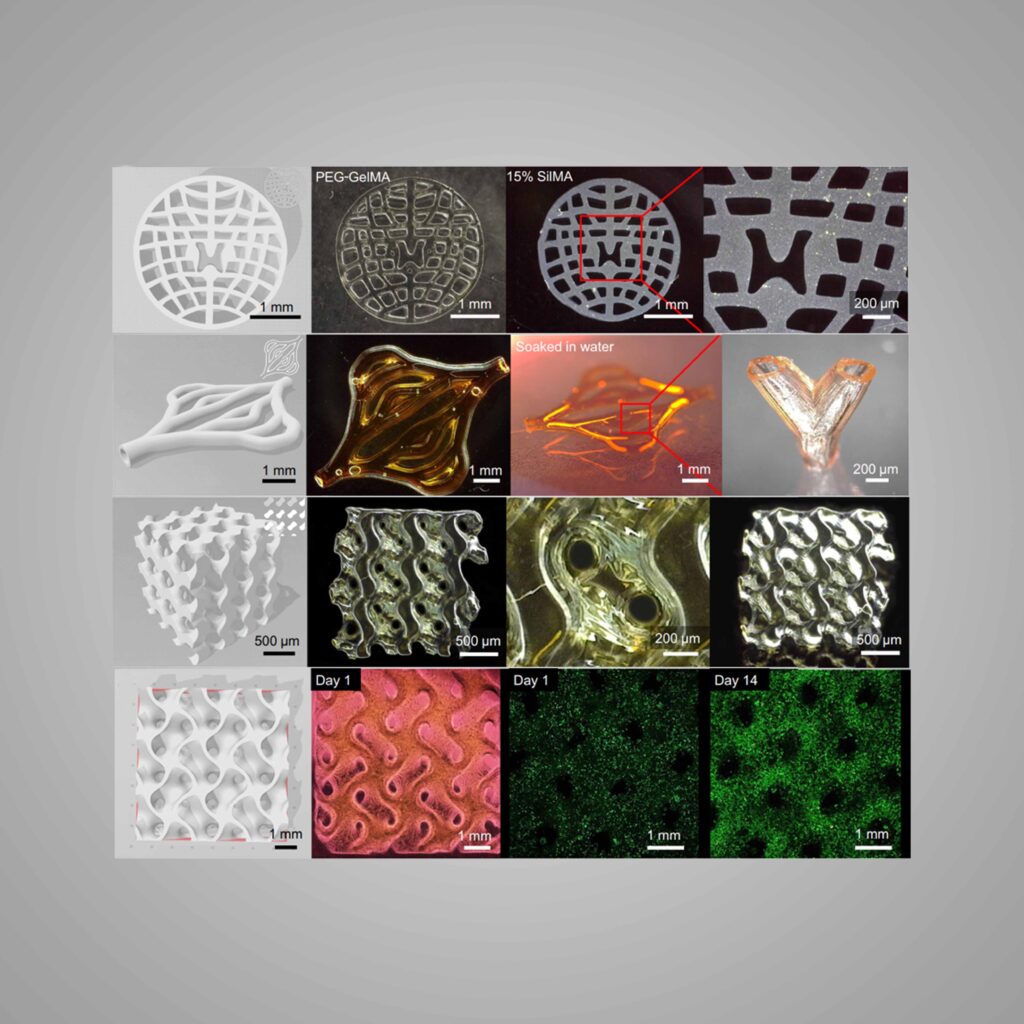
Realistic perfusion for nutrients & waste exchange; In vivo mimetic drug injection
True-to-human in vitro platform, In vivo-relevant 3D Cytoarchitecture
Vascular Network | Hydrogel 3D Bioprinting [Nature Communications. 14:3063 (2023)]
Structure Size: gyroid scaffold with perfusable channels (200-800μm) and walls (100μm)
Using the Cur-Na bioink, PμSL 3D printing could print various scaffolds with high cell proliferation and functionality, which could used for tissue engineering
HepG2 cells were cultured on gyroid scaffold for 14 days with high cell proliferation (Cells’ density 5*10⁵ cells/mL)
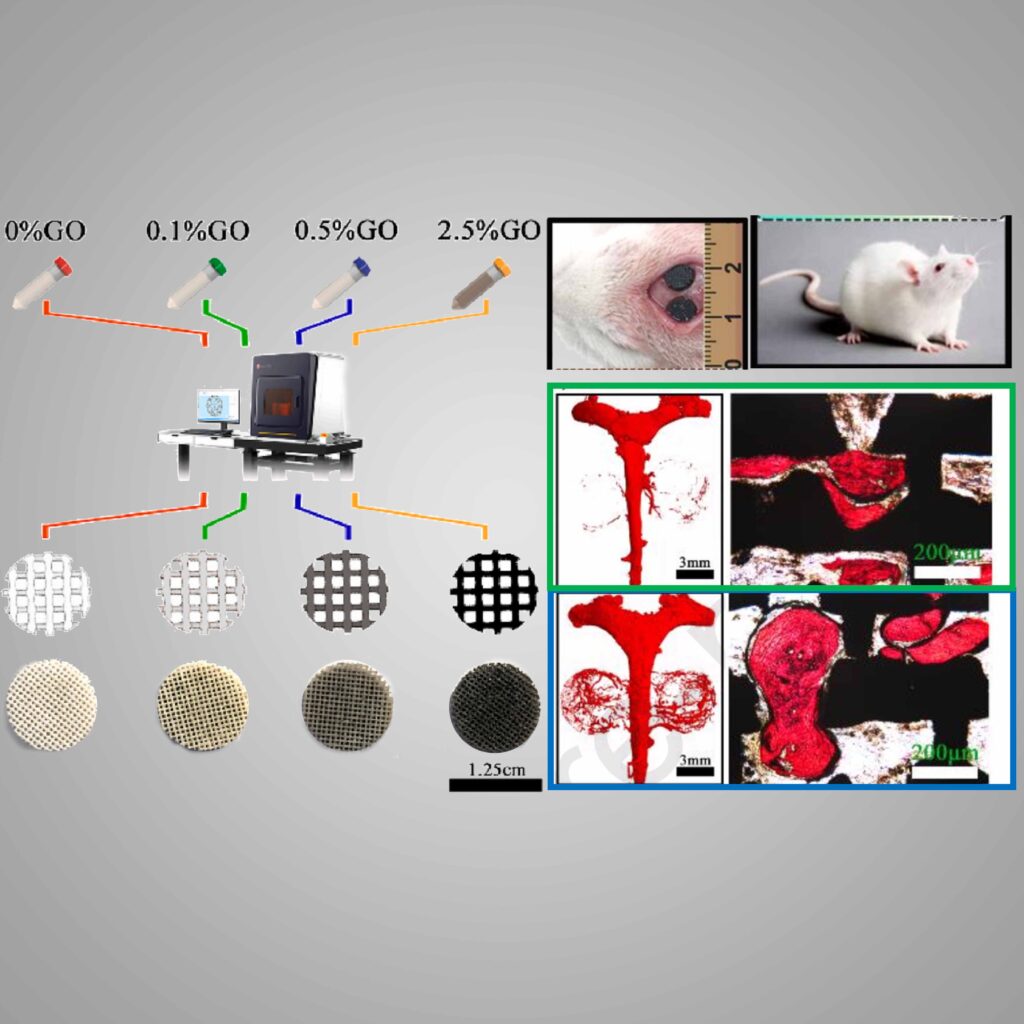
Bone Repair Scaffold | Resin + Bioactive glass + Graphene Oxide [Composites Part B, 110673(2023)]
Structure Size: Porous cylinder (12.5*12.5*2 mm), pore diameter and porosity were 300-350 μm, 80%
Stem cells, endothelial cells and Raw264.7 were cultured on scaffold
3D printed bionic scaffolds with porous interconnects promoted the repair of critical bone defects
Micro-scale 3D ceramic printing is most promising in biomedical devices, microfluidics, photonics/electronics, energy systems, and aerospace components — anywhere you need miniaturization, precision architecture, and ceramic robustness
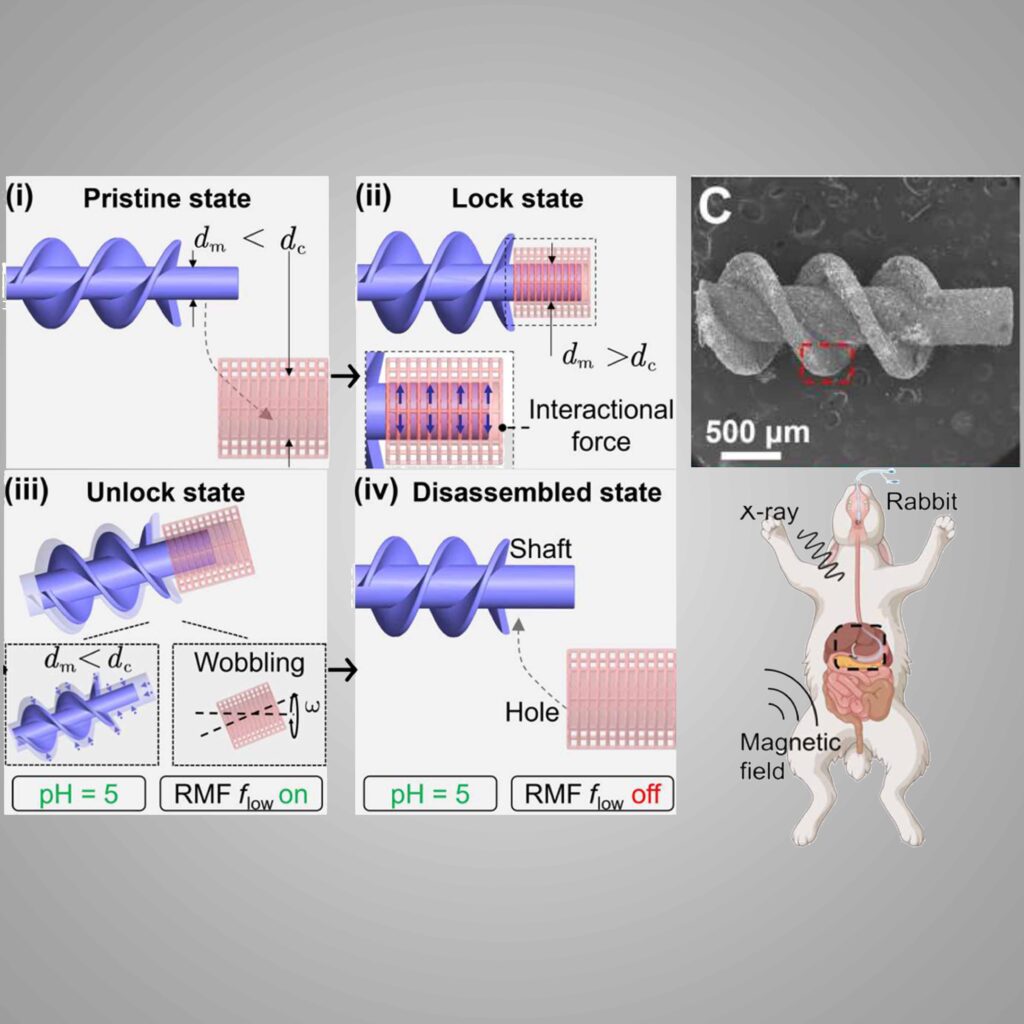
Structure Size: Inner diameter of scaffold was 850μm; minnimum line width of scaffold was 20 μm
Fabricated lock-and-detachable modules
Microrobot modules can be used to delivery stem cells in vivo rabbit bile duct for cell-based therapy
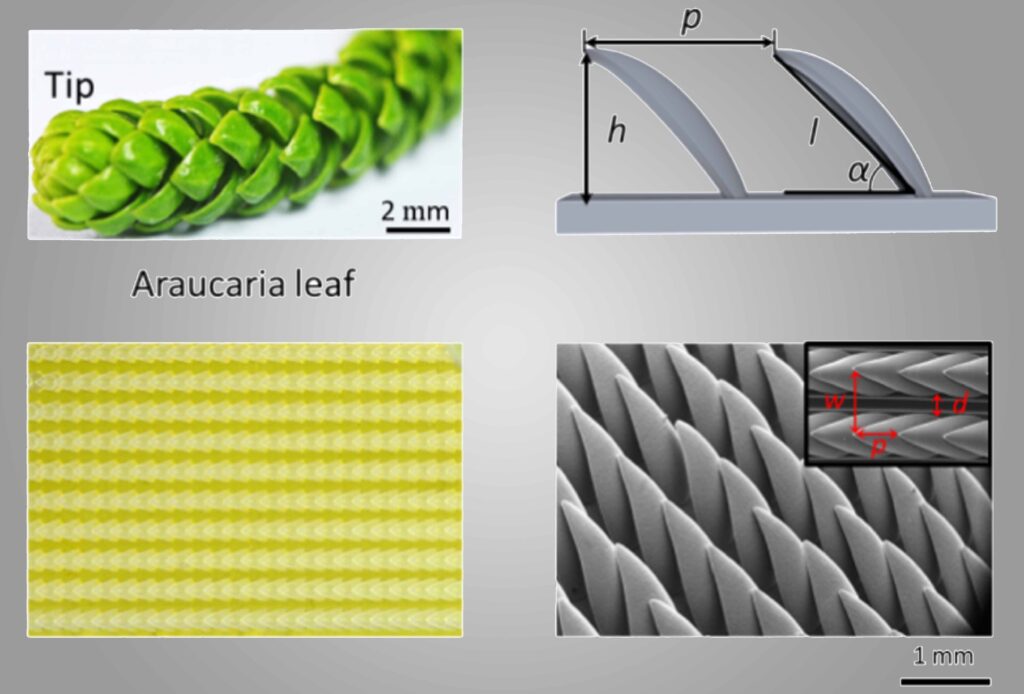
Biomimics | Araucaria-leaf-inspired 3D capillary ratchet [Science. 373(6561): 1344-1348. (2021)]
Structure Size: Each thickness of ratchet is around 80 μm
PμSL enables design flexibility and simple fabrication, bypassing nanofabrication, to realize 3D micro-scale structures for directional liquid transport
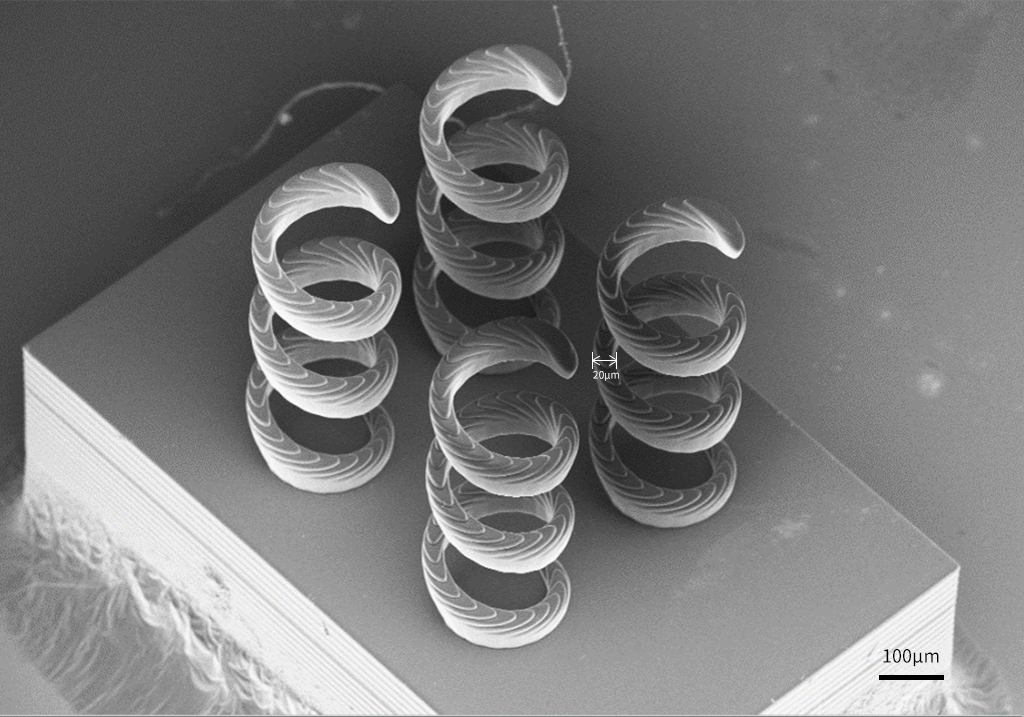
Micro Springs | THz devices, pressure sensor
Sample size: 1.2 × 0.8 × 0.6 mm
Diameter of the springs: 20 μm
Complex 3D structures
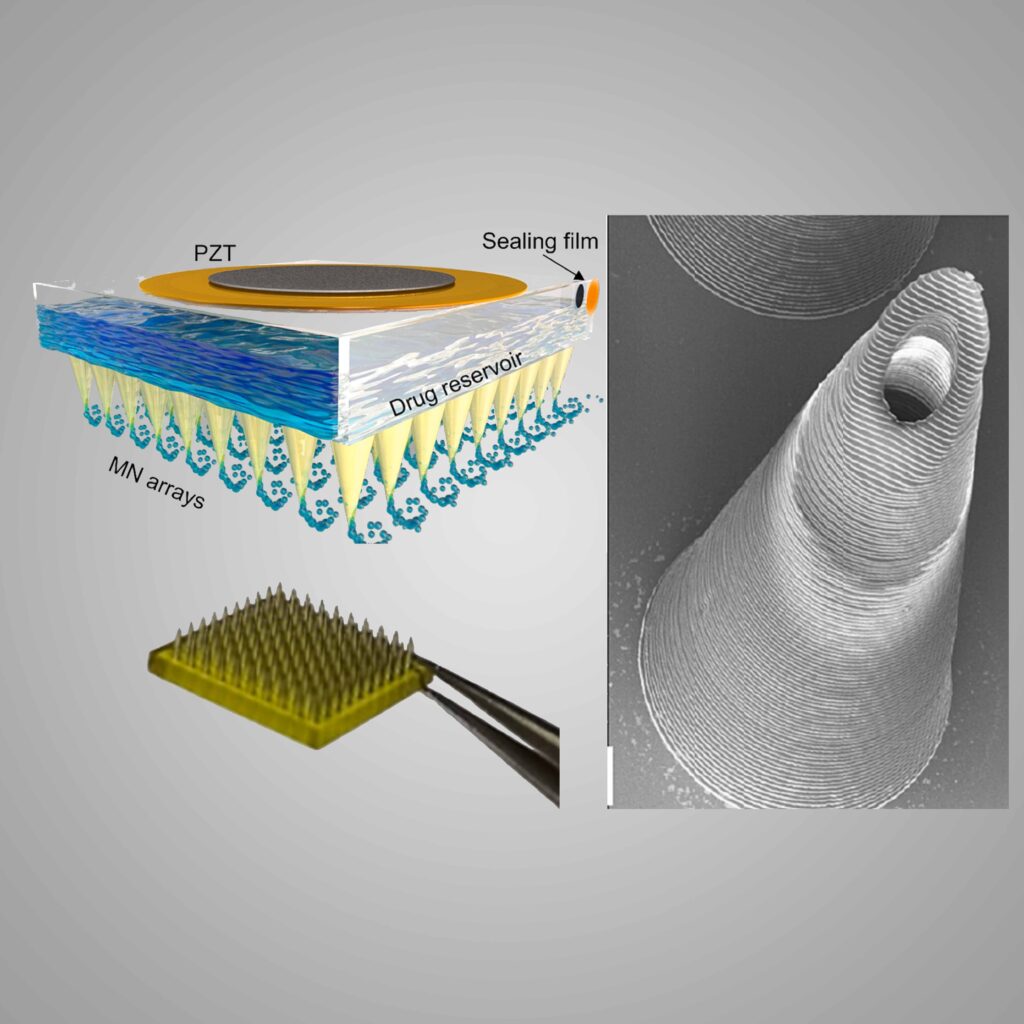
Microneedles | Wearable Acoustic Microneedle Array[CHEM ENG J. 477,147124 (2023)]
Sample size: 10 × 10 × 5 mm (10 × 10 array)
Needle height is 1000 μm, and the inner diameter is 100-200 μm.
Via Bluetooth, acoustic waves are generated to oscillate the tips of Microneedles, inducing an acoustic streaming vortex that causes an extraction effect on liquid drugs.
Drug delivery could be quantitatively controlled by changing the acoustic power and time.
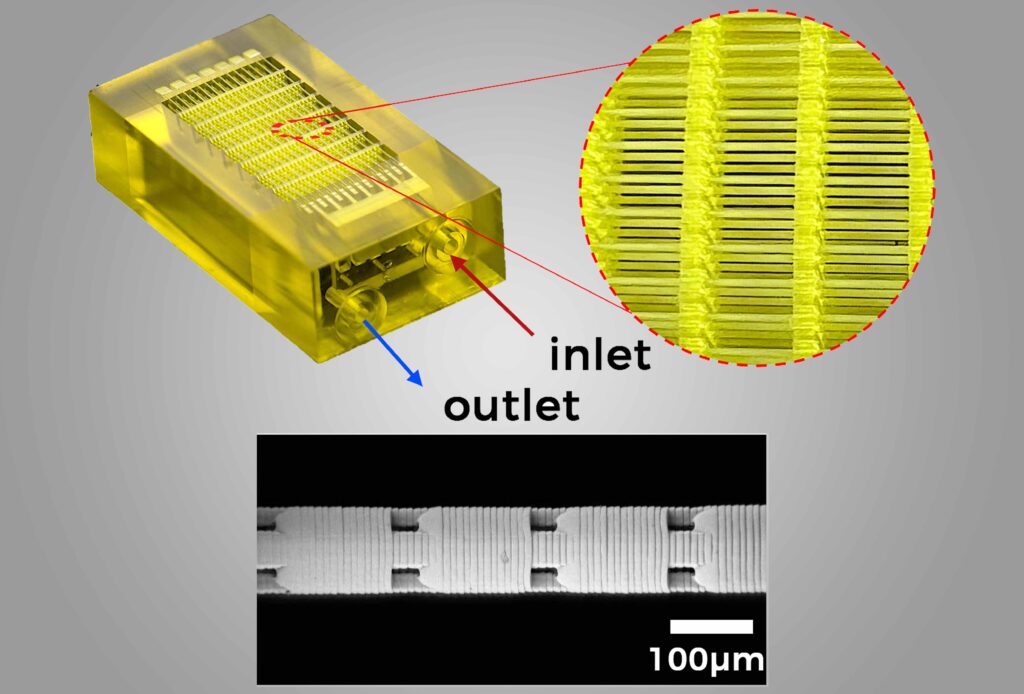
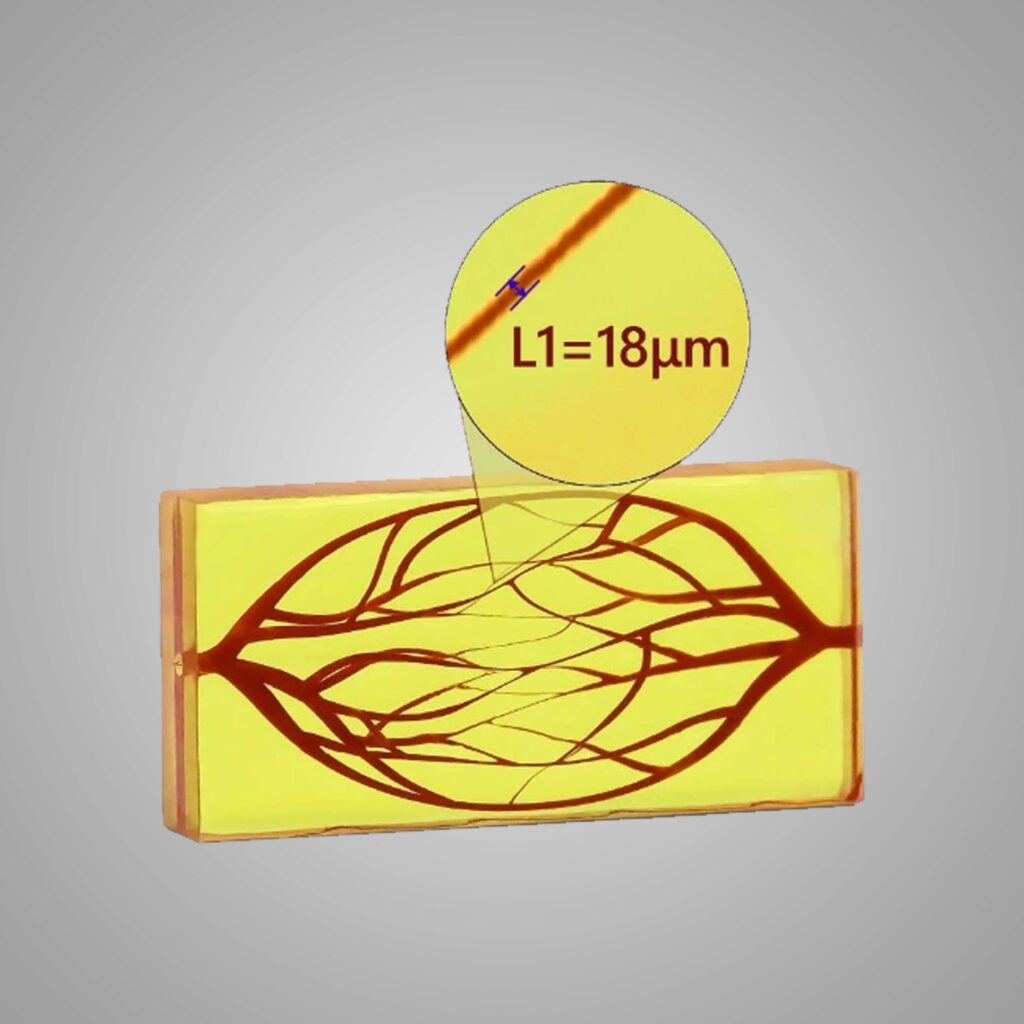
Microfluidics | TUltra-high Precision
Sample size: 10 × 6 × 2 mm
Diameter of channels: min. 18 μm
We provide pre-sales consultation, validation printing trials, and after-sales technical support across Australia and New Zealand.