Embedded Logic Solutions Pty Ltd, also known as Emlogic, supplies advanced additive manufacturing equipment across Australia and New Zealand. Our 3D printing solutions cover metal additive manufacturing, polymer 3D printing, micro-precision 3D printing, ceramic printing, hydrogel printing, and large-format production systems. We support universities, research laboratories, manufacturers with equipment selection, application consultation, validation printing trials, installation, training, maintenance, and local after-sales technical support.
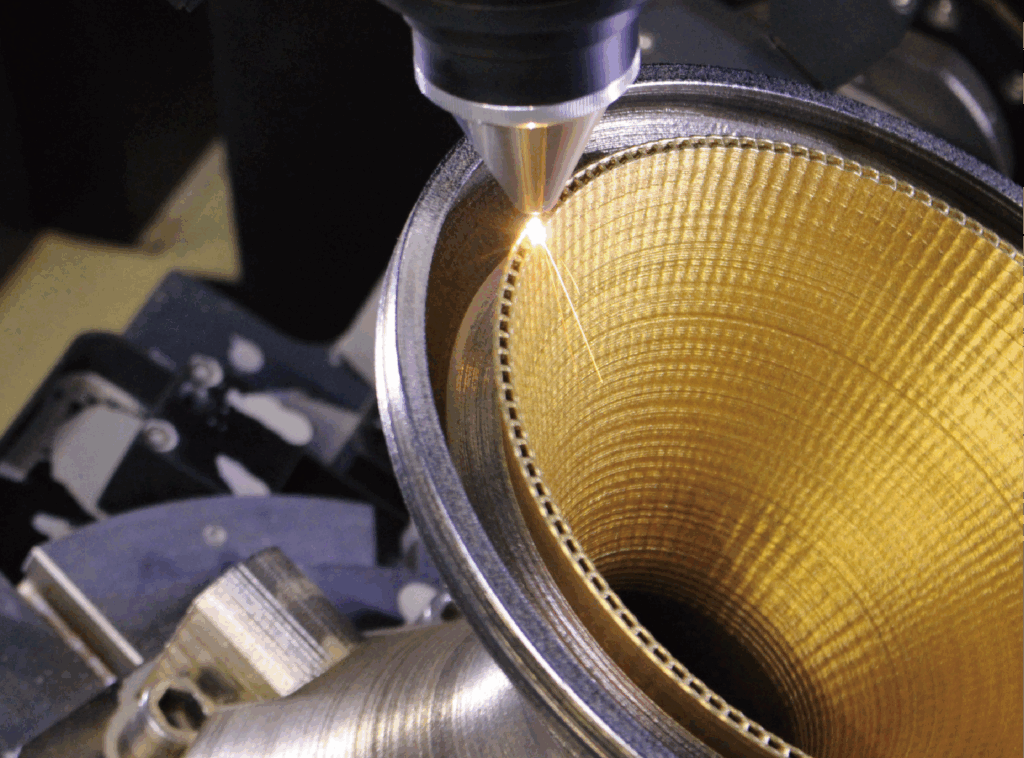
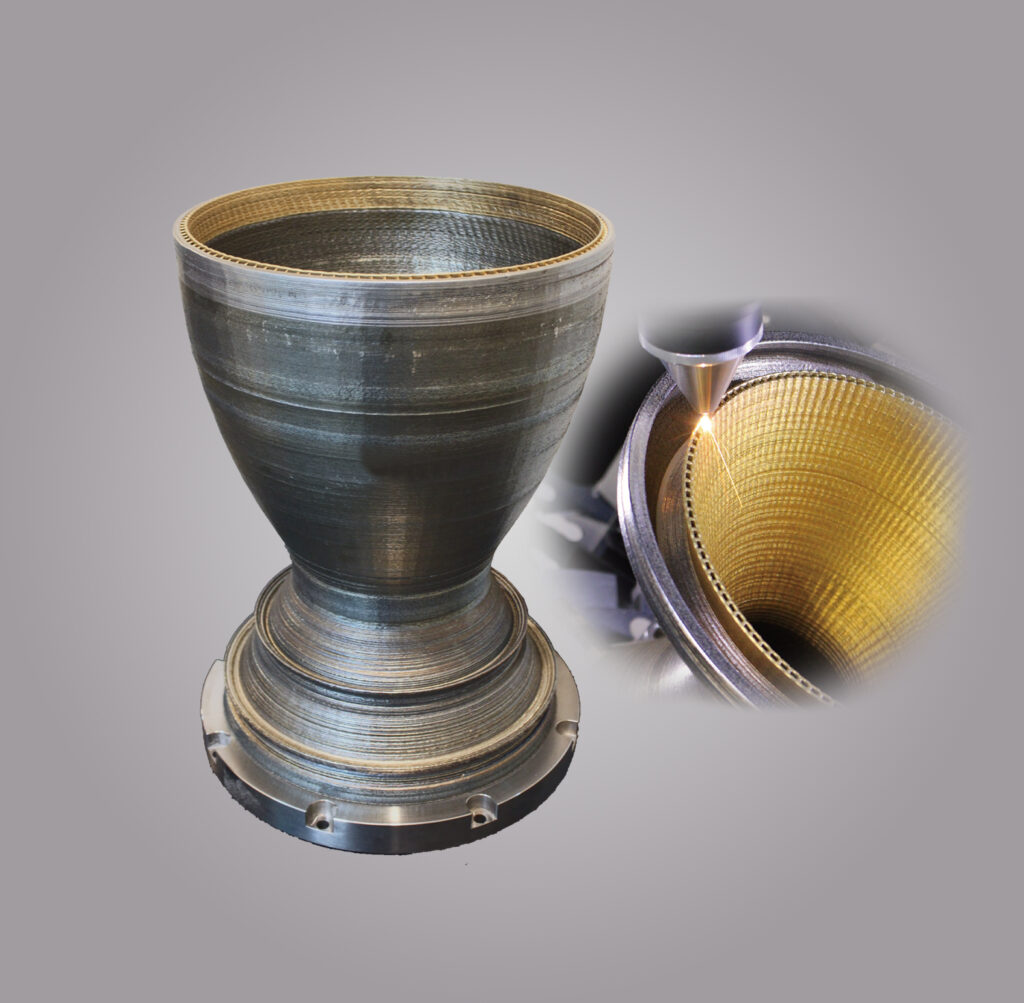
Directed Energy Deposition (DED) is an additive manufacturing process that builds or repairs metal parts by feeding powder into a focused laser beam. The material is melted as it is deposited, enabling precise addition of metal. Unlike powder bed systems, DED is well suited for larger structures and multi-axis deposition, enabling efficient repair, feature addition, and near-net-shape manufacturing with a high degree of flexibility. Plus, in-situ powder mixing capability further expands its potential for functionally graded materials (FGMs) fabrication, fast alloy development, and so on.
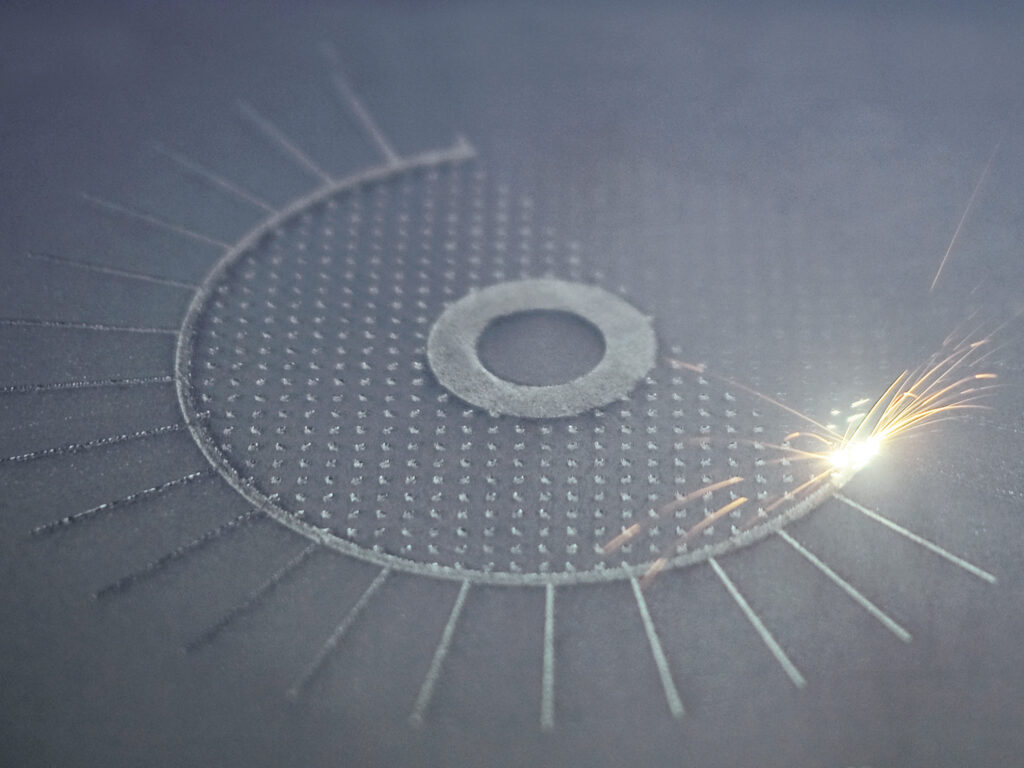
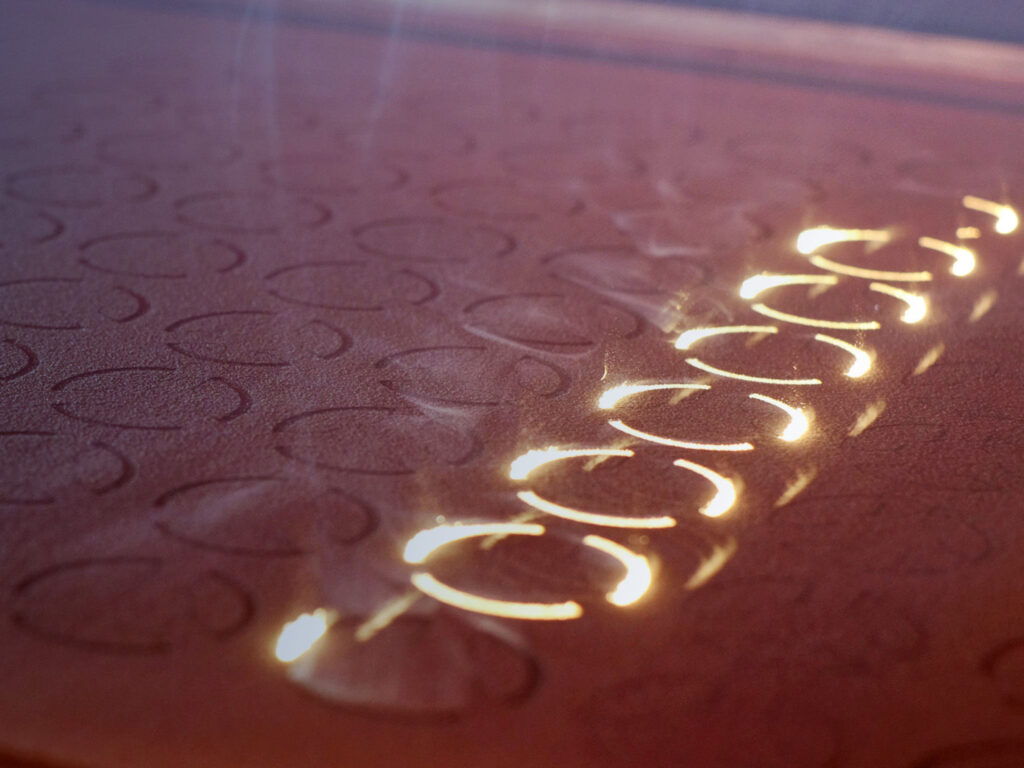
Laser Powder Bed Fusion (LPBF) is an additive manufacturing process that builds metal parts layer by layer by selectively melting fine powder with a high-precision laser. A thin layer of powder is spread across a build platform, the laser fuses only the required regions from a digital design, and the process repeats until the part is complete. The result is the ability to produce complex geometries, internal channels, and lightweight structures that are difficult or impossible with conventional methods, while enabling tight control over material structure and performance.
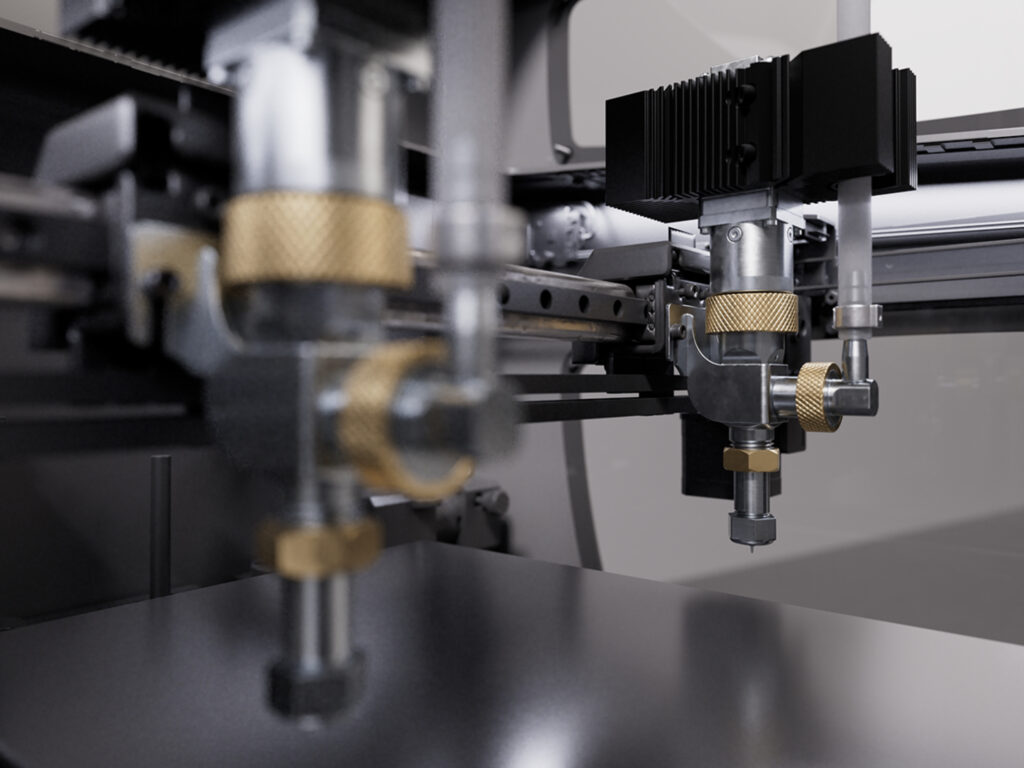
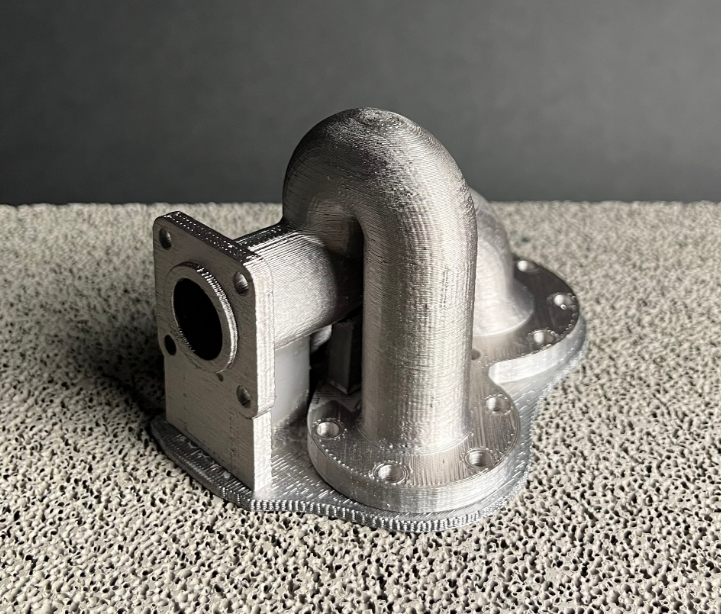
Metal Paste Deposition is an additive manufacturing process that forms metal parts by extruding a paste made of fine metal powder bound in a water-based medium. The material is deposited layer by layer at room temperature to create a “green” part, which is then dried and sintered in a furnace to achieve full density and strength. By separating shaping from densification, the process avoids high-energy lasers and powder handling, offering a cleaner and more accessible workflow while still enabling complex geometries and functional metal components.
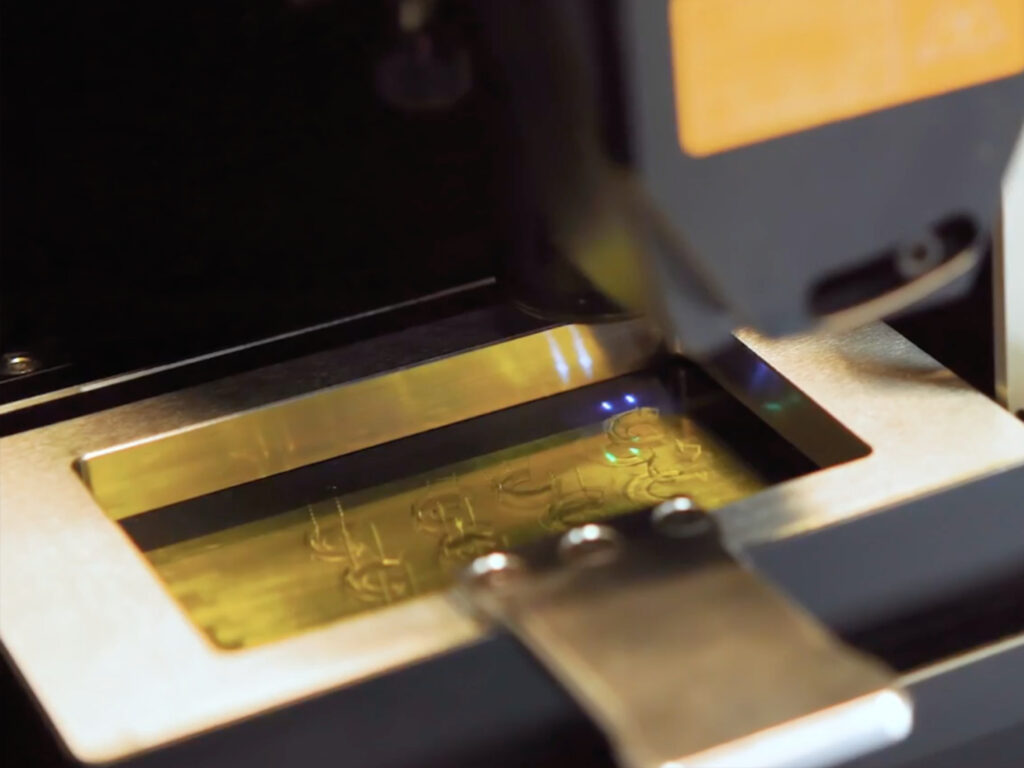
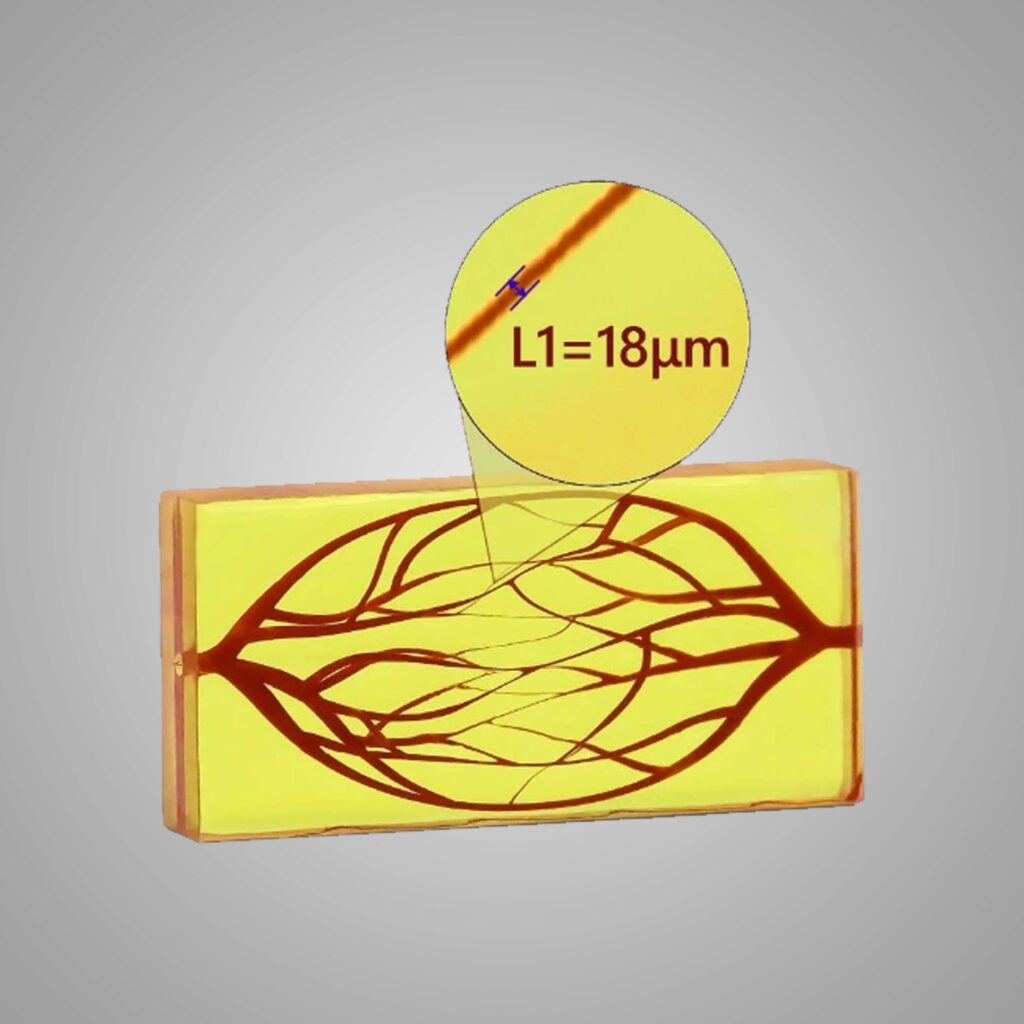
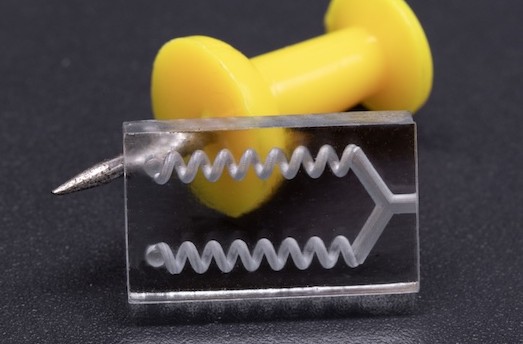
Projection Micro Stereolithography (PµSL) is an additive manufacturing process that builds ultra-high-resolution parts by curing liquid resin with projected light patterns. Each layer is formed in a single exposure, where a digital image defines the geometry at micron-scale precision. With tightly controlled layer formation, the process delivers exceptional detail, smooth surfaces, and consistent accuracy, making it well suited for intricate micro-scale components.
Selective Laser Sintering (SLS) is an additive manufacturing process that builds parts by fusing fine polymer powder layer by layer using a laser. A thin layer of powder is spread across the build area, the laser selectively sinters the required regions, and the process repeats to form the final part. Because the surrounding powder naturally supports the geometry, SLS can produce complex shapes, internal features, and interlocking parts without additional support structures, making it well suited for functional prototypes and end-use components with consistent mechanical performance.
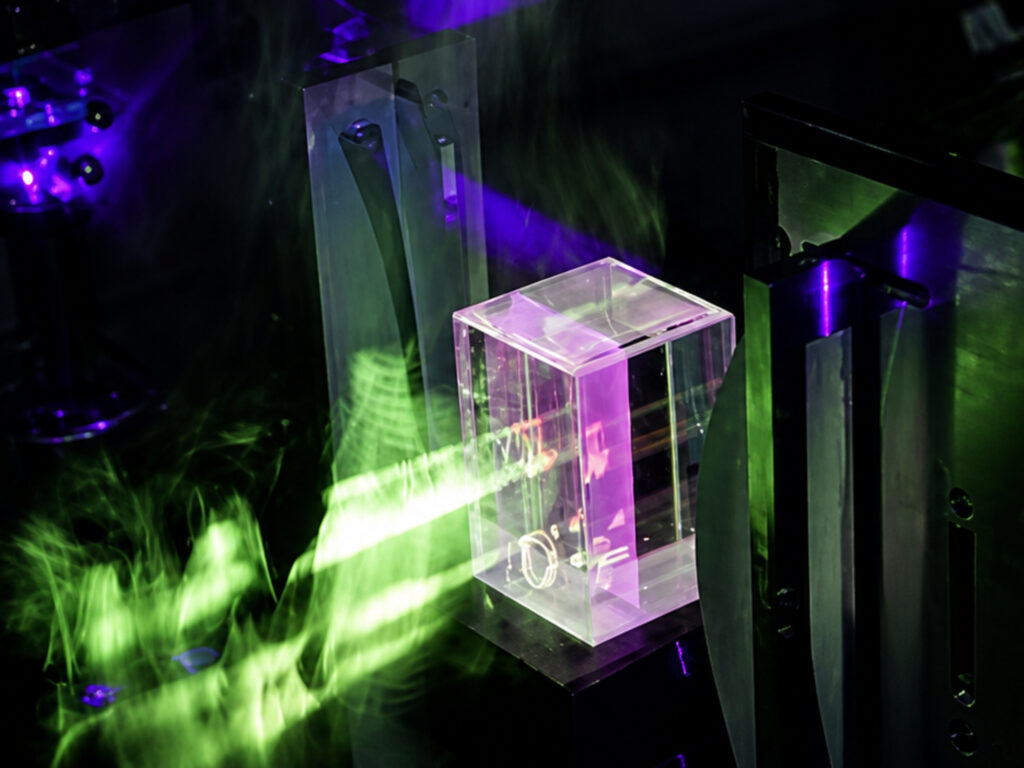
Xolography is an additive manufacturing process that creates parts by solidifying liquid resin at precise points within a volume using intersecting light beams. Instead of building layer by layer, material is cured only where two light patterns meet, enabling true volumetric fabrication. This approach allows parts to form rapidly with smooth surfaces and fine detail, while reducing many of the constraints associated with traditional layer-based 3D printing.
Does Emlogic supply metal 3D printers in Australia?
Yes. Emlogic supplies metal additive manufacturing systems for research, prototyping, alloy development, repair, and production applications across Australia and New Zealand.
What 3D printing technologies does Emlogic provide?
Emlogic provides access to a range of technologies including Laser Powder Bed Fusion, Directed Energy Deposition, metal paste deposition, Projection Micro Stereolithography, Selective Laser Sintering, and Xolography.
Who are Emlogic’s 3D printing customers?
Emlogic supports universities, research organisations, manufacturers, engineering teams, product developers, and industrial customers.
Does Emlogic provide installation and technical support?
Yes. Emlogic provides product consultation, validation printing trials, installation, training, maintenance, and after-sales technical support across Australia and New Zealand.
Emlogic provides local Australian and New Zealand support for 3D printing and additive manufacturing equipment, including pre-sales consultation, application review, validation printing trials, installation, training, maintenance, spare parts assistance, and after-sales technical support.